| ART & ARTISTS | MUSIC (Soon) | SOCIETY | TECHNOLOGY | BOOKS | THE INTERNET | EARLY PROTOTYPE | SANTA CRUZ | LONDON | THE PUBLISHER |
|
|

|
How Santa Cruz, California, Progressive Politics Created The Housing Shortage
and is now destroying the city by permitting luxury condos.
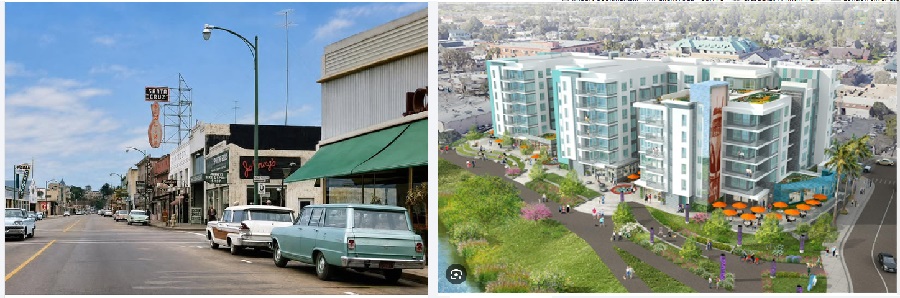 Before Now
In 1979 the Santa Cruz city passed Measure O to cap housing growth at 1.4% and in 1981 a firmly progressive majority took control of the council and their policies further prioritized slow growth and neighborhood preservation
However no such cap was imposed on UCSC which between 1979 and 2025 increased its enrollment by some 14,400 while the general population growth only increased by some 6,400.
A housing shortage was born and in 2024 Sacramento, as part of a state-wide home building program, ordered the city of Santa Cruz to build 3,736 new units
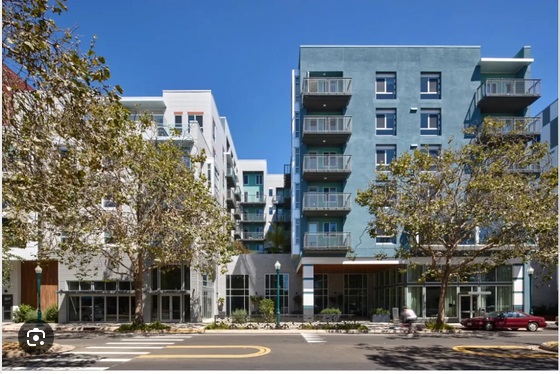
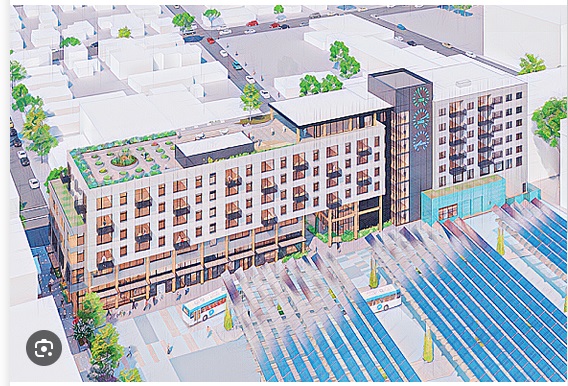
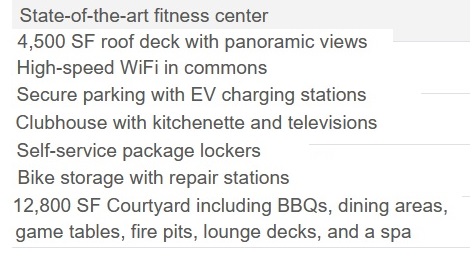
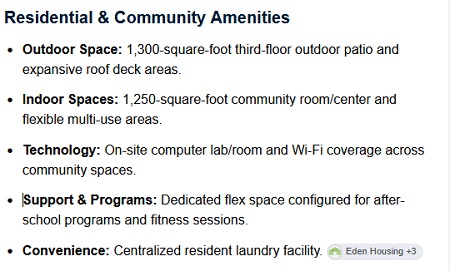
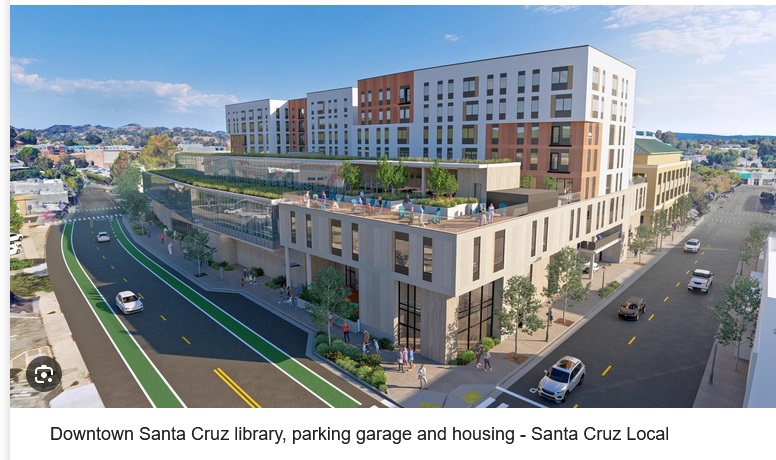
Although UCSC is building a 3,000+ bed development on its campus, in response to the 2024 housing mandate the council is overbuilding the city with disproportionally large and expensive high-rise investment-grade studio apartments and condominiums that not only are financially out of the reach of locals but that, if and when occupied, will strain the city's resources and utilities and cause more traffic congestion. And if that is not bad enough these will do nothing to solve the city's housing problem.
# # #
NOTES:
1) The city's political shift from conservative to progressive: In 1979, the election of progressive activists Mike Rotkin and Bruce Van Allen to the Conservative-leaning Santa Cruz City Council set the stage for a political shift. A progressive majority was secured in 1981 when additional left-leaning members joined the council, launching a long era of local progressive governance. Activists shifted focus to local elections with Mike Rotkin and Bruce Van Allen winning seats and they joined liberal member Bert Muhly to focus on greenbelts and rent control.
2) City Growth Cap (measure O)
in 1979, similar to the county, the city imposed a strict annual growth cap of roughly 1.4% on new city housing construction
In 1981 Two more progressive activists won election and the conservative-leaning majority was eliminated when two more progressive activists won election. Mardi Wormhoudt and John Laird joined the council. and a firm progressive majority took control and policies prioritized slow growth and neighborhood preservation.
3) A cap on new housing while the city's population grew
In 1979, the population of the city was approximately 41,000
In 1985, the population of the city was approximately 45,000 increase of 4,000 in 1995, the population of the city was approximately 51,900 increase of 6,900 In 2005, the population of the city was approximately 54,550 increase of 2,600 In 2015, the population of the city was approximately 63,800 increase of 9,250 In 2025, the population of the city was approximately 61,797 Decrease of 2,003 In 1979 - 2025 the population (including UCSC) Increases of 20,797
4) UCSC growth took it's toll on housing:
In 1979 UCSC enrollment 5,900
In 2025 UCSC enrollment 20,140 increase of 14,400 5) In 2025 Sacramento Orders California Cities to build more homes:
In September 2024 Newsom signed key reform bills—AB 1893 and AB 1886— which went into effect on January 1, 2025, to codify, clarify, and strengthen the rule to force cities to build more homes. UCSC steps up
UCSC has broken ground on a 3,000+ bed development on its campus, (A lawsuit from advocacy group Habitat and Watershed Caretakers had stalled the project)
The city is conned by developers
For the 2023–2031 state housing planning cycle (RHNA), the City of Santa Cruz was allocated a target of 3,736 new housing units, while unincorporated Santa Cruz County was assigned 4,634 units. Local reports and civil grand jury findings indicate that regional building has fallen significantly behind these mandates, leaving the area thousands of units short of its state-defined goals and affordable housing needs
# # #
|

click on image to see small print
 |
|
|
# # #